a bicycle driven open shelter for deep art and warm brews
〰️
a bicycle driven open shelter for deep art and warm brews 〰️
Tarp, art & brew
A new active travel & art initiative in development
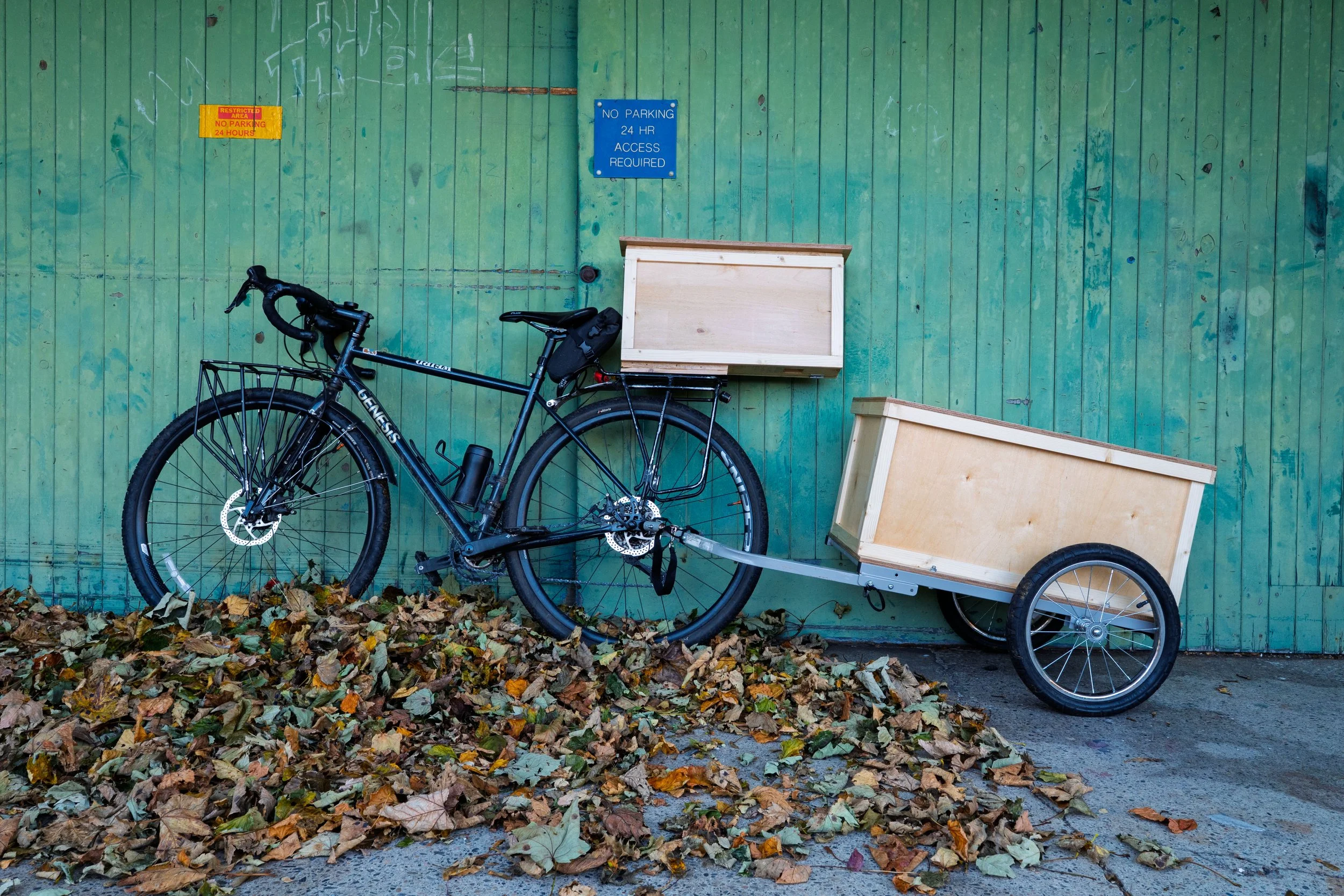
tarp’s mission is to kick art out of the house to play in the neighbourhood with everyone else. Why? Because contemporary art spaces can look posh and exclusive and have hidden social rules that are intimidating to the uninitiated. By trading the gallery for a basic shelter and a bicycle, tarp takes art outside and delivers it to where people are already. tarp roams across the city stopping in parks, plazas and parking lots. Places that people tend to pause or pass through. Who is it for? It's for anyone taking a break, people between places and those with nowhere else to be.
open shelter as curatorial practice
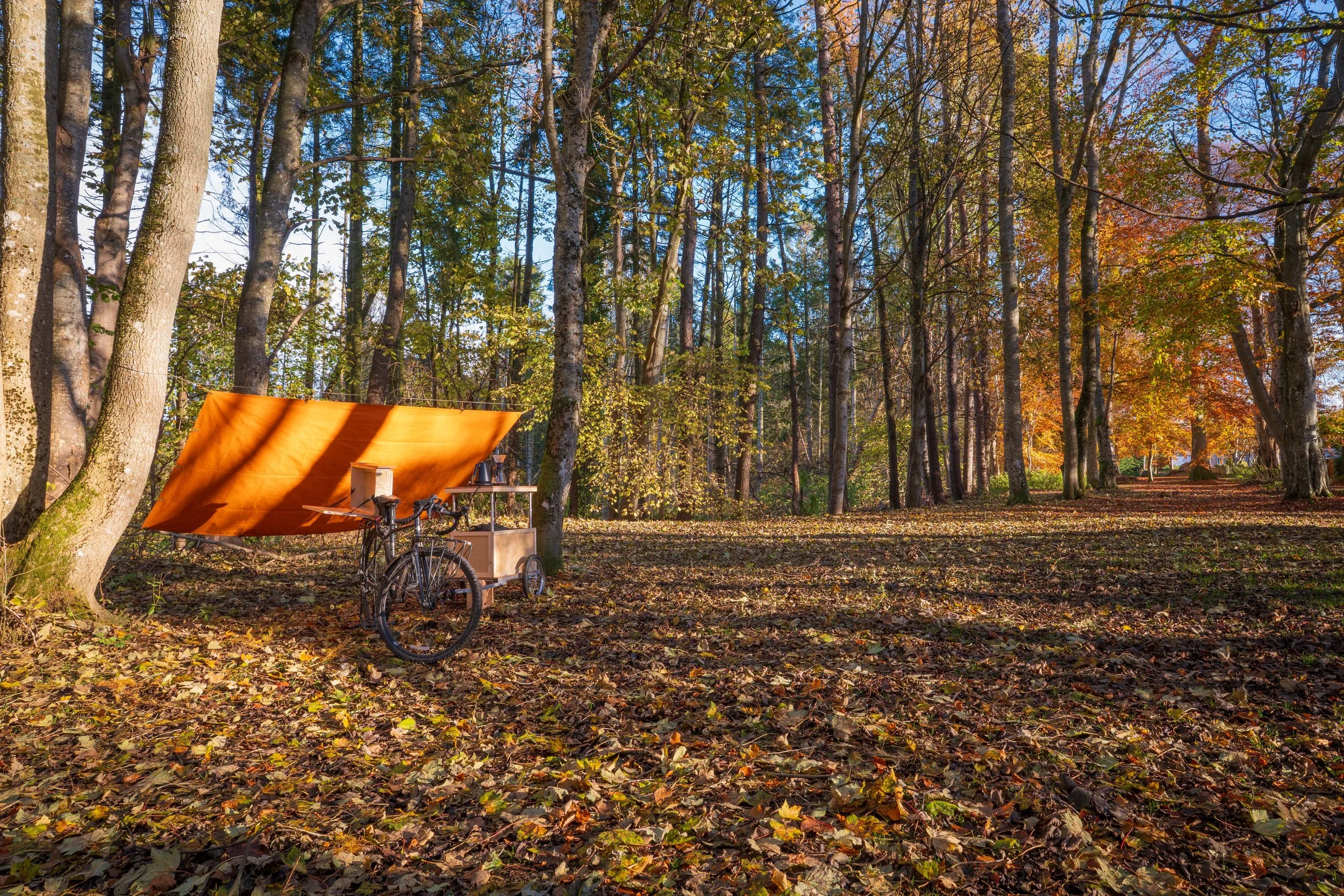
As open shelters, tarpaulins provide humble protection from the weather without severing our connection to the environment. Embracing the ‘open shelter’ as curatorial inquiry, tarp seeks to create an art experience where people feel accepted for who they are and comfortable to engage with new ideas. Just as a tree canopy allows air to flow freely so too tarp welcomes the perspectives that people bring with them under the canvas.
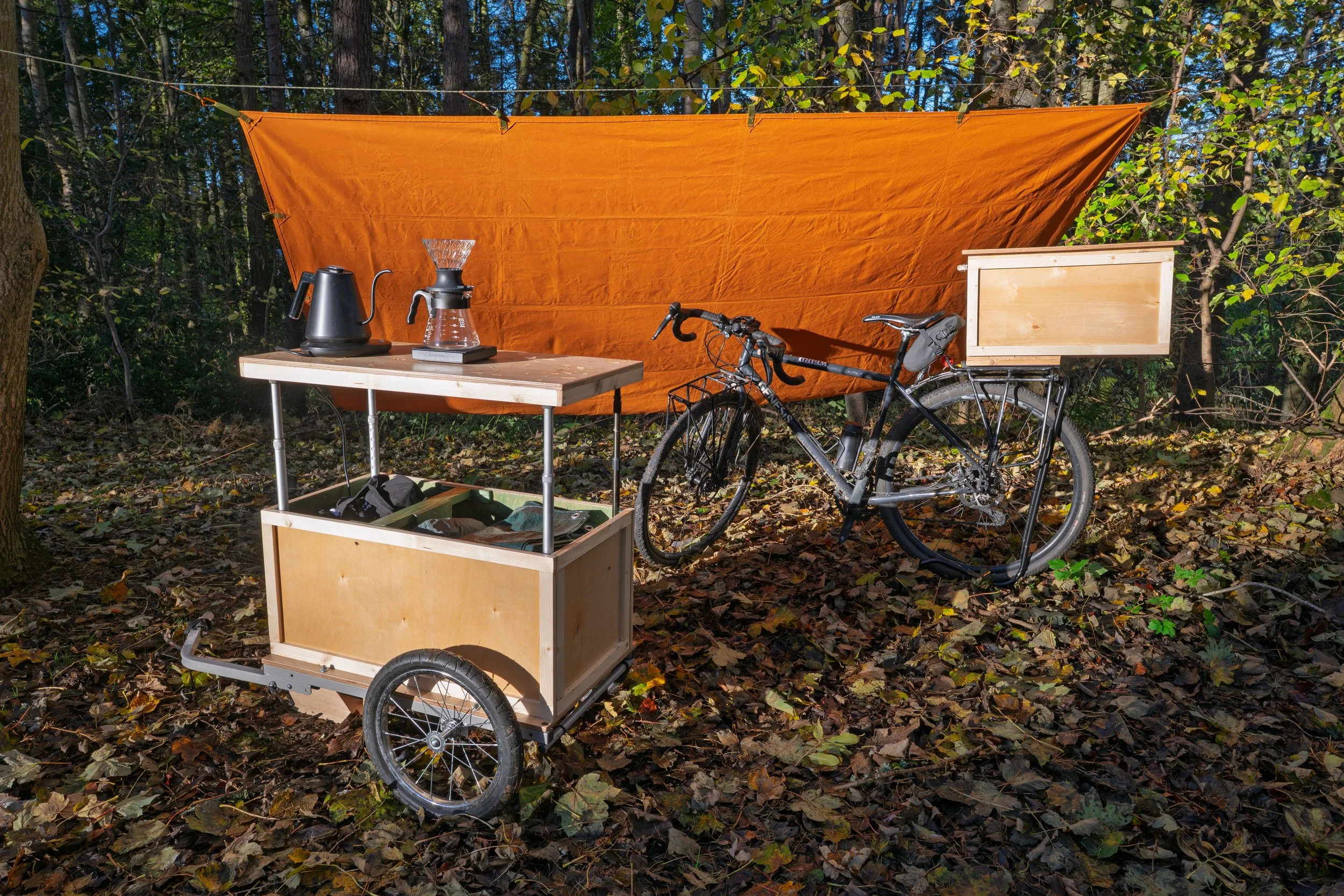
Open shelters necessitate adaptability. They encourage us to shapeshift in response to different sites and weather. A rope tensioning the canvas between trees in one location is swapped out for standalone polls in a plaza. On a sunny day the tarpaulin is stretched flat overhead for shade and in inclement weather it is synched down and folded into a pyramid to create a cozy nook.
As the physical set-up changes the art must adapt as well. Exhibiting artists are challenged to flow with the open structure by responding to these changeable elements and to create a dialogue with the surrounding environment. tarp exhibitions work best with works that are modular, scalable and robust in physicality and concept.
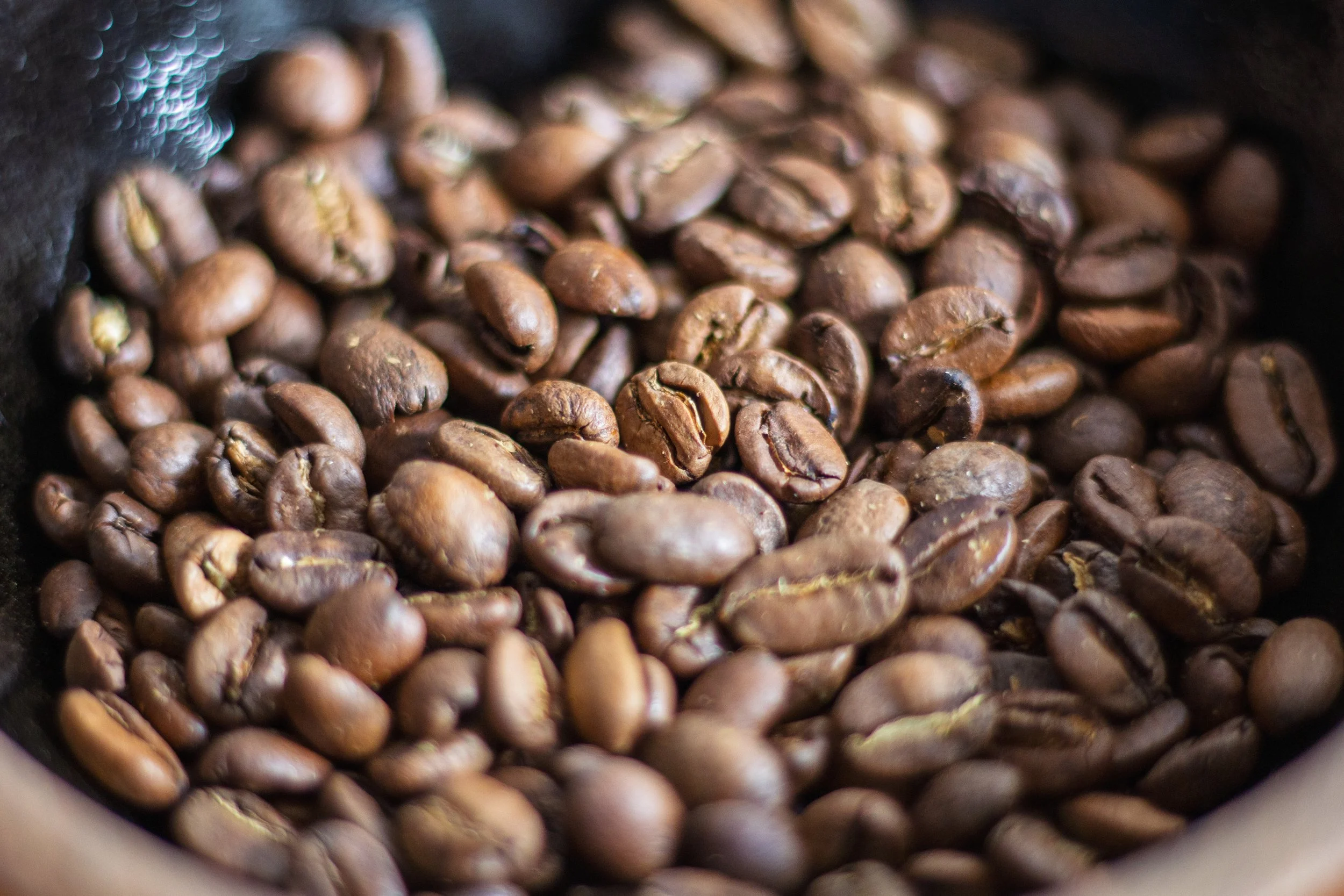
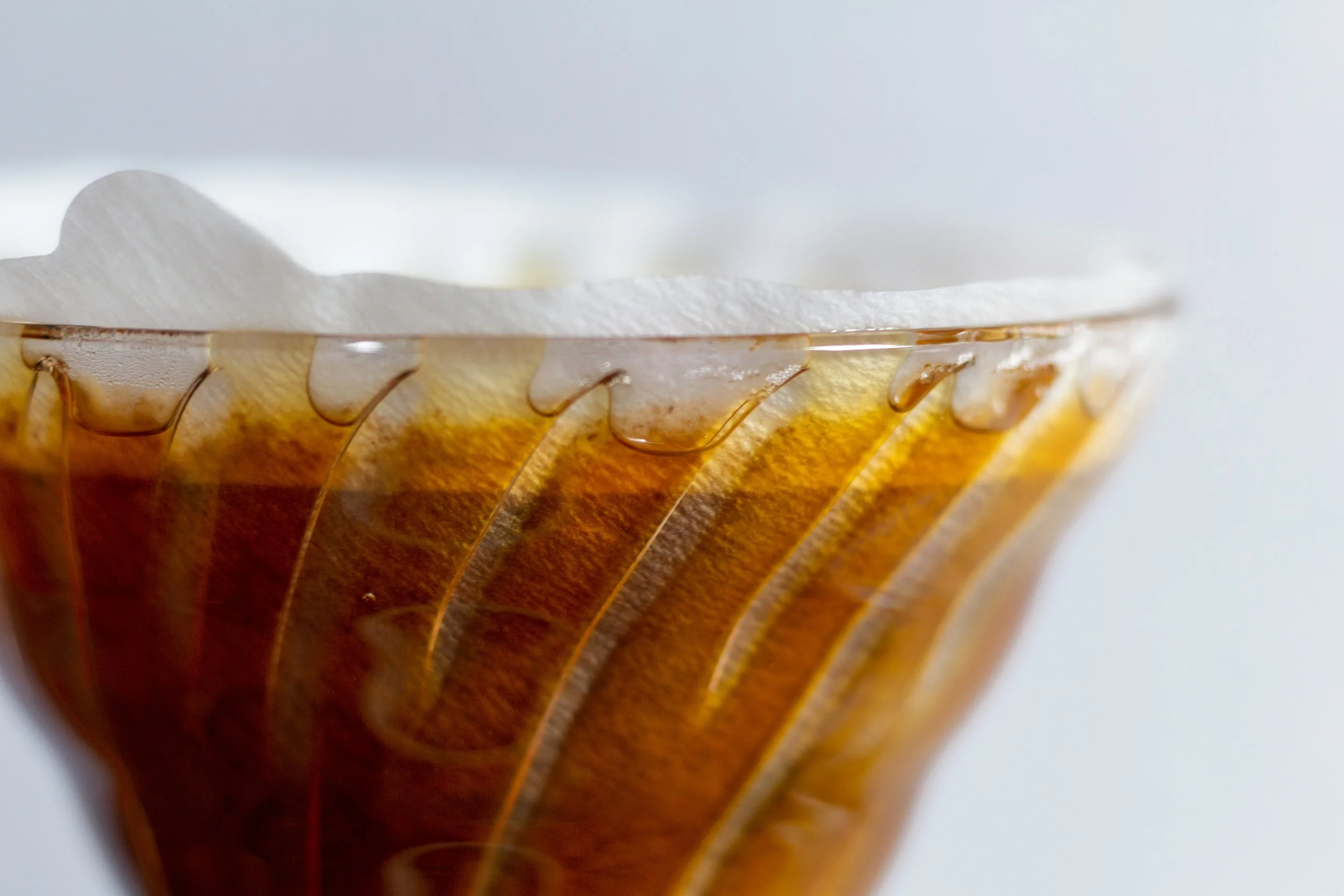
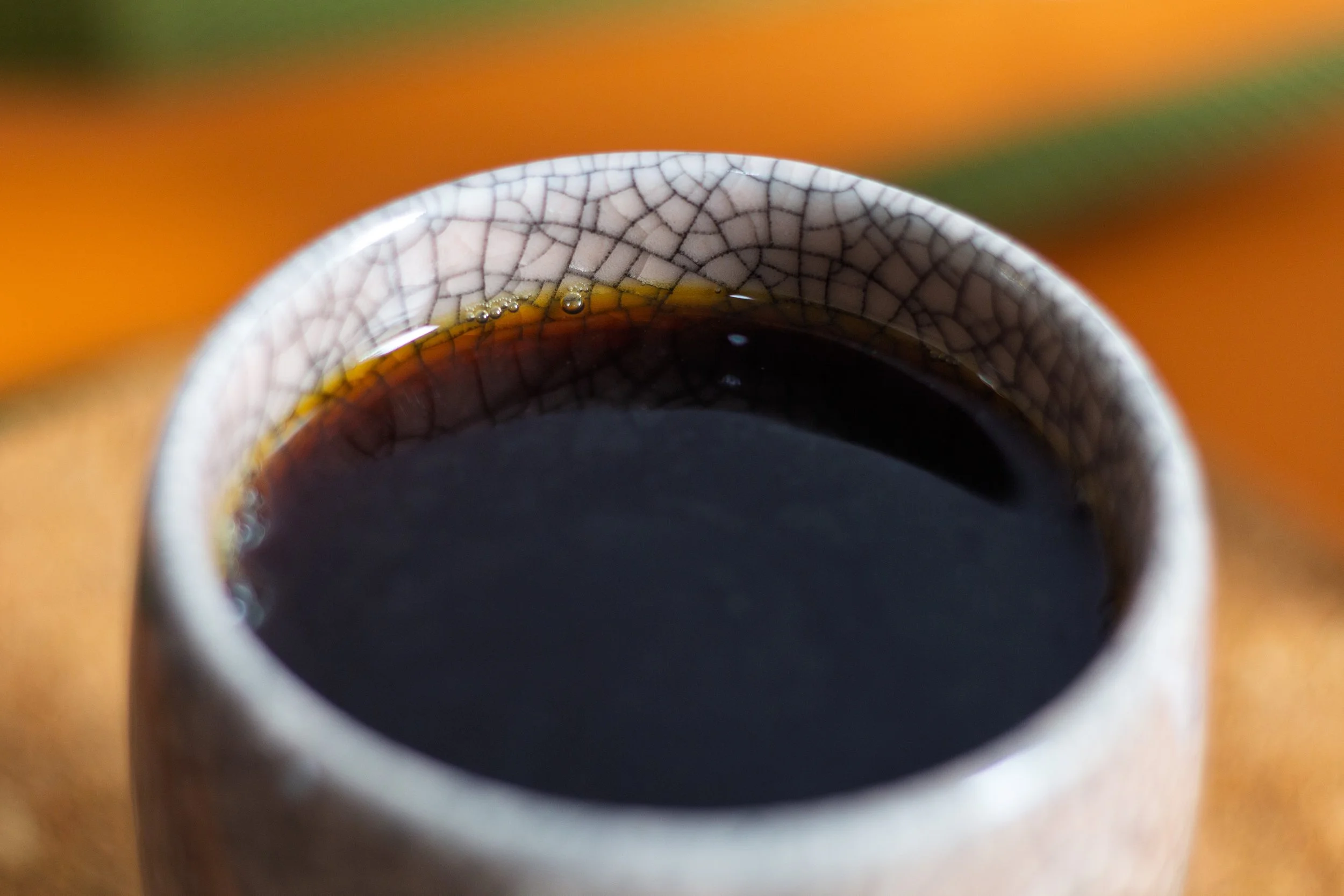
Serving craft coffee and loose leaf tea is an essential aspect of tarp’s open shelter practice. Warm beverages help us relax and make us feel cared for when we are exposed to the elements. There is nothing wrong with builders tea or instant coffee but we need not cut ourselves short when outdoors. Plus good coffee and tea made with love shouldn't cost the earth. So at tarp we charge a minimum rate with the option to top-it up or pay it forward so that everyone can have an affordable brew.
In terms of looking after each other, it is important to recognise that the word ‘shelter’ and the term ‘open shelter’ are literally and metaphorically applied in social services addressing health, homelessness, domestic abuse and recovery – not to mention humanitarian relief in places experiencing conflict or disaster. In solidarity with this association, tarp connects with social care groups and organisations in the locations it visits and donates 10% of all beverage sales.
Easily overlooked as utilitarian, the sustainable possibilities of open structures as transitory fabric architecture is greatly undervalued. Tarpaulins hold a magic ability to temporarily encompass space and within seconds fit into rucksacks or panniers. This enables tarp to reduce carbon use by eliminating commuting emissions and delivery services through collecting supplies and artworks while cycling enroute.
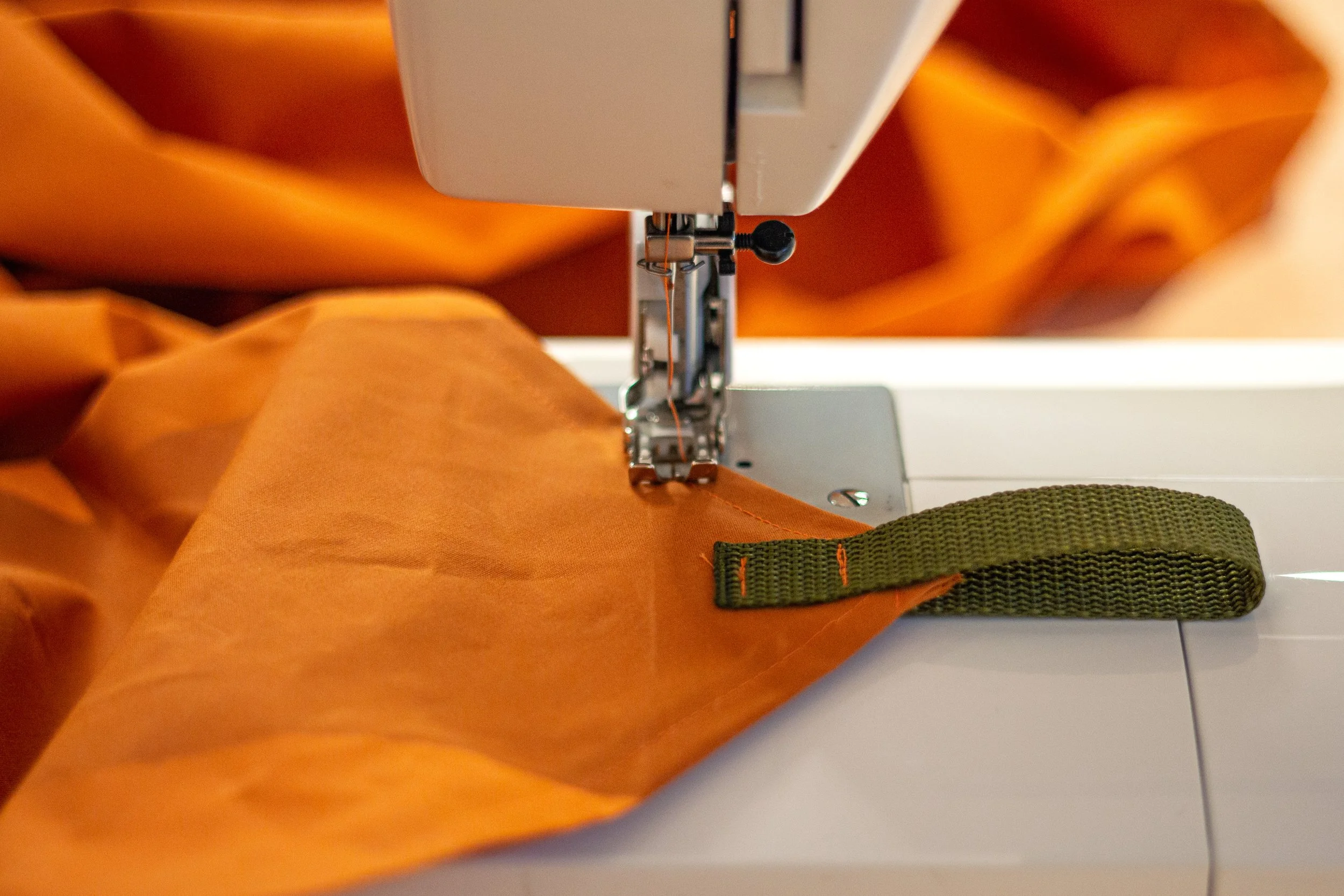
Petrochemicals are prevalent in our modern world and it is difficult to abolish them completely. In resisting their convenience we can limit our reliance on them and discover meaningful and better quality alternatives. This is why tarp’s tarpaulins are made from deadstock waxed canvas rather than nylon or polypropylene. Deadstock fabric is wasteful surplus created by the fashion industry due to overproduction, minor defects, unwanted colour variances or canceled orders. Utilising unwanted fabric as tarp’s primary infrastructure, helps divert these textiles from landfills and demonstrates what is possible by embracing circular design.
Over time there will be no lick of paint to give tarp a face lift as one might do in a gallery or cafe. tarp’s creases, patched holes and stitched tears will be celebrated as memory markers of the artworks and cuppas it sheltered and conversations it enabled.